

Logo Smart Integrations

Autonomous Integration Operations

Go beyond creation. Operate integrations as a managed lifecycle with monitoring, failure detection, and governed AI-assisted repair.

Hero image
Hero arrow
Autonomous integration operations means managing integrations after go-live as a continuous lifecycle — not as disconnected projects or emergency fixes.

Plumbed helps teams monitor, maintain, adapt, and repair business-critical integrations with AI-assisted workflows. Instead of waiting for broken APIs, failed mappings, or schema changes to create operational incidents, teams gain visibility, governed repair paths, and a more reliable integration operating model.
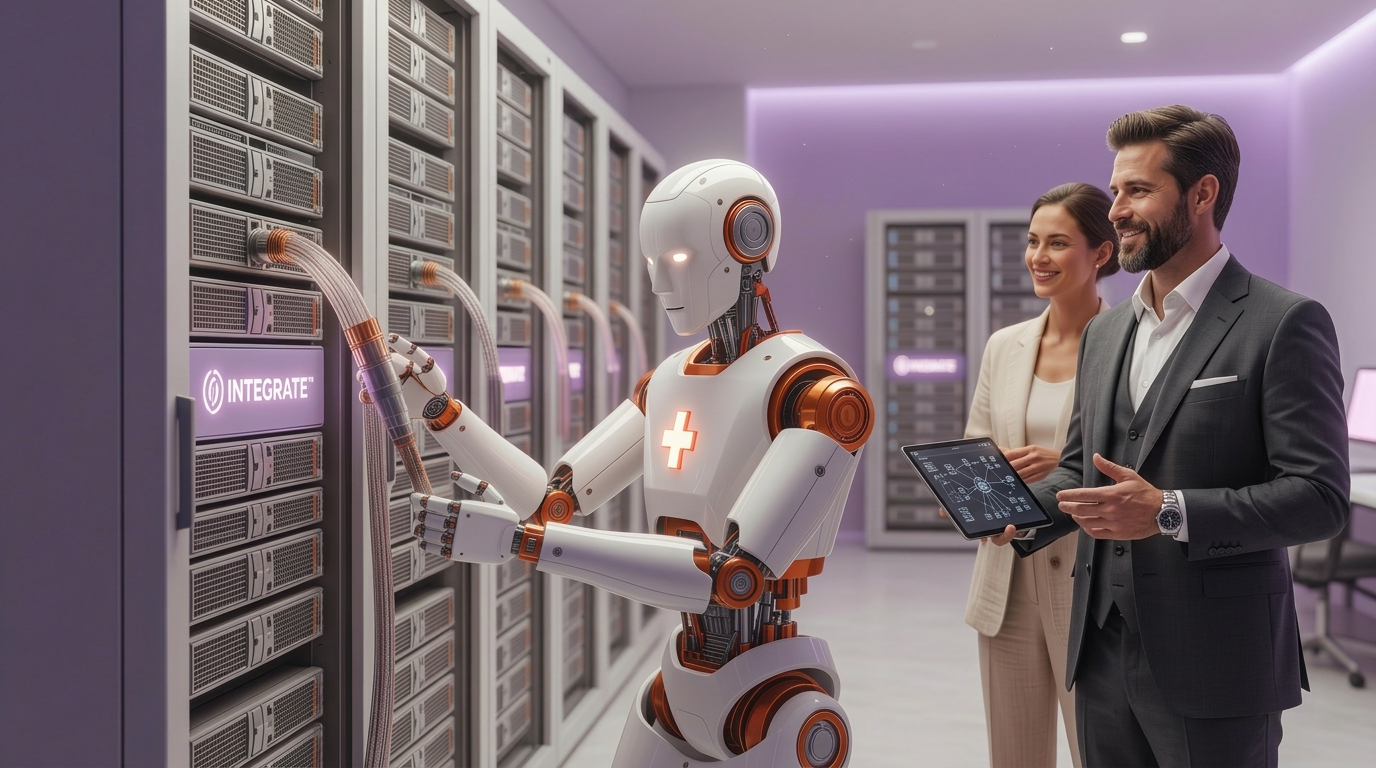
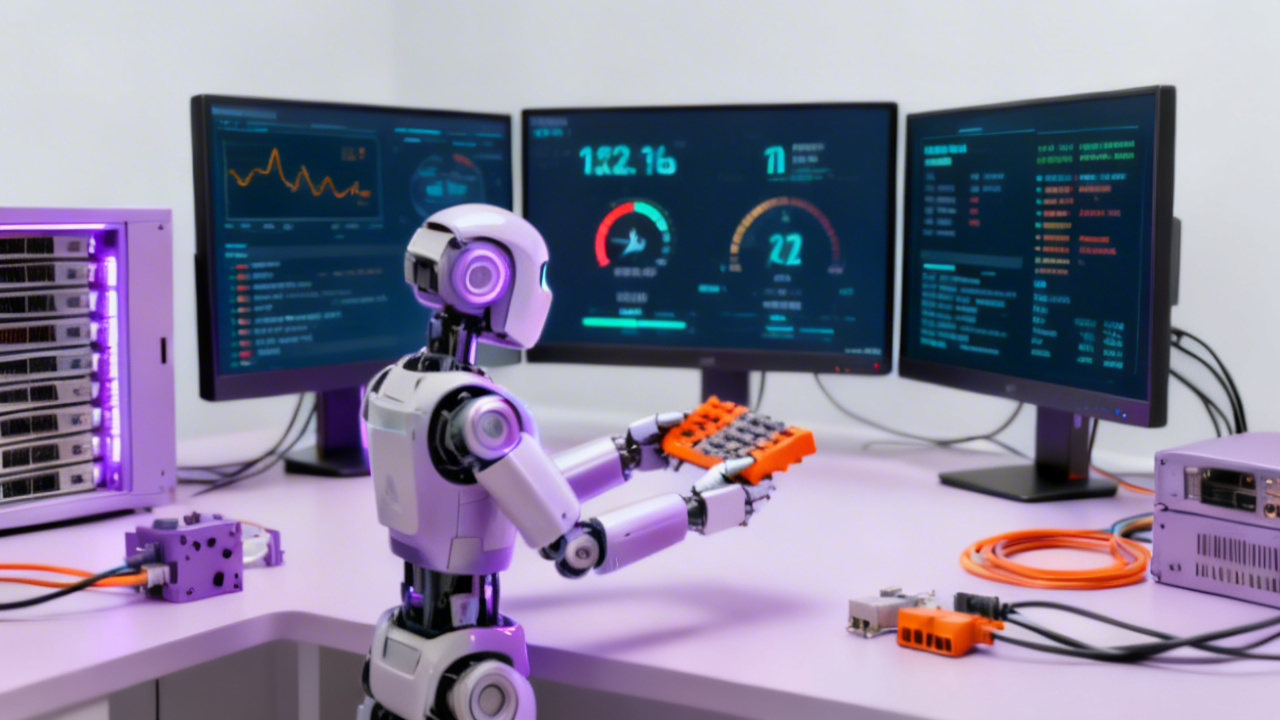
AI-Assisted Self-Healing Operations

AI helps detect integration failures and API drift early, supporting governed repair workflows.

Stop waking up to broken pipelines and critical API failures. AI helps detect integration failures, schema changes, mapping issues, and API drift early — then supports governed repair workflows before they become business-critical incidents.

  • Real-time anomaly and failure detection
  • AI-assisted root cause analysis
  • Governed repair paths and human control where it matters
Card image

Why Integrations Become Expensive After Go-Live

The first build is rarely the whole problem. Reduce the hidden operating burden.

Integrations become expensive when APIs change, field mappings break, retries fail, ownership is unclear, monitoring is incomplete, and teams need manual workarounds to keep orders, inventory, finance, or customer data flowing.

Autonomous integration operations reduces this hidden operating burden. It gives teams a more structured way to detect issues, understand root causes, repair safely, and keep business systems connected without constant firefighting.
Card image

The Autonomous Operations Loop

Deploy → Monitor → Detect → Govern → Repair → Learn

Move from manual firefighting to a structured, AI-assisted operating model:

  • Monitor: Track API health, data flow, latency, and error patterns.
  • Detect: Identify schema changes, failed mappings, missing data, and anomalies.
  • Diagnose: Find likely root causes with AI-assisted analysis.
  • Repair: Trigger governed repair workflows, retries, rollbacks, or human review.
  • Learn: Improve future integrations from recurring incidents.
Card image

Explore Autonomous Integration Operations

Dive deeper into the components of a managed integration lifecycle.

Self-Healing Integrations
Learn how integrations can detect failures, schema changes, mapping issues, and operational anomalies earlier.

Integration Monitoring & Failure Detection
Understand how teams track API health, data flows, errors, latency, retries, and uptime.

Integration Lifecycle Automation
Move from one-off integration projects to a managed lifecycle for build, deploy, monitor, maintain, and improve.
Card image

Start with easy integration

Try now